
PELADOW® Premier Snow and Ice Melter

Product Description
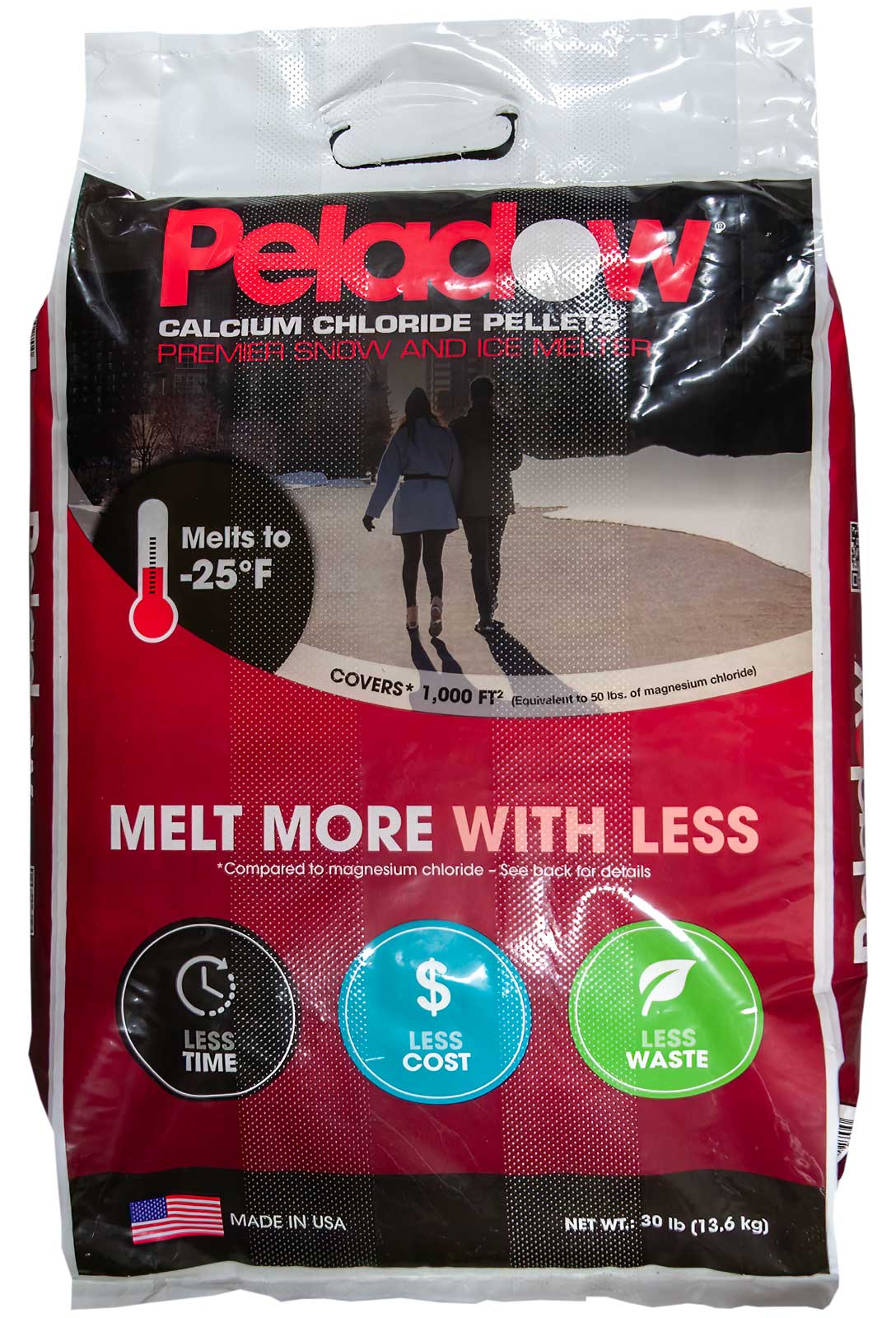
PELADOW Calcium Chloride Pellets are white, free-flowing pellets that meet or exceed ASTM D98 and AASHTO M144 purity requirements for Type S, Grade 2, Class B calcium chloride.
Known as the premier snow and ice melter, it can melt ice up to 3X faster than competing materials, outperforming other products across a wide range of temperatures. Its round shape helps to penetrate ice and break the bond with pavement more quickly than flat or crystal-shaped ice melters, allowing easy removal of ice and snow.
 - Refer to our App Rate Calculator for recommended ice melting application rates.
To create a solution by mixing this product with water, refer to our Making Solutions Calculator.

Where To Use

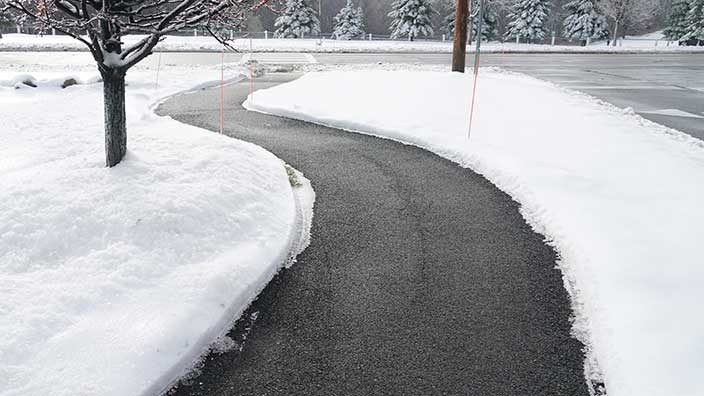
Ice Melting: Road & Highway
Storage & Shelf Life
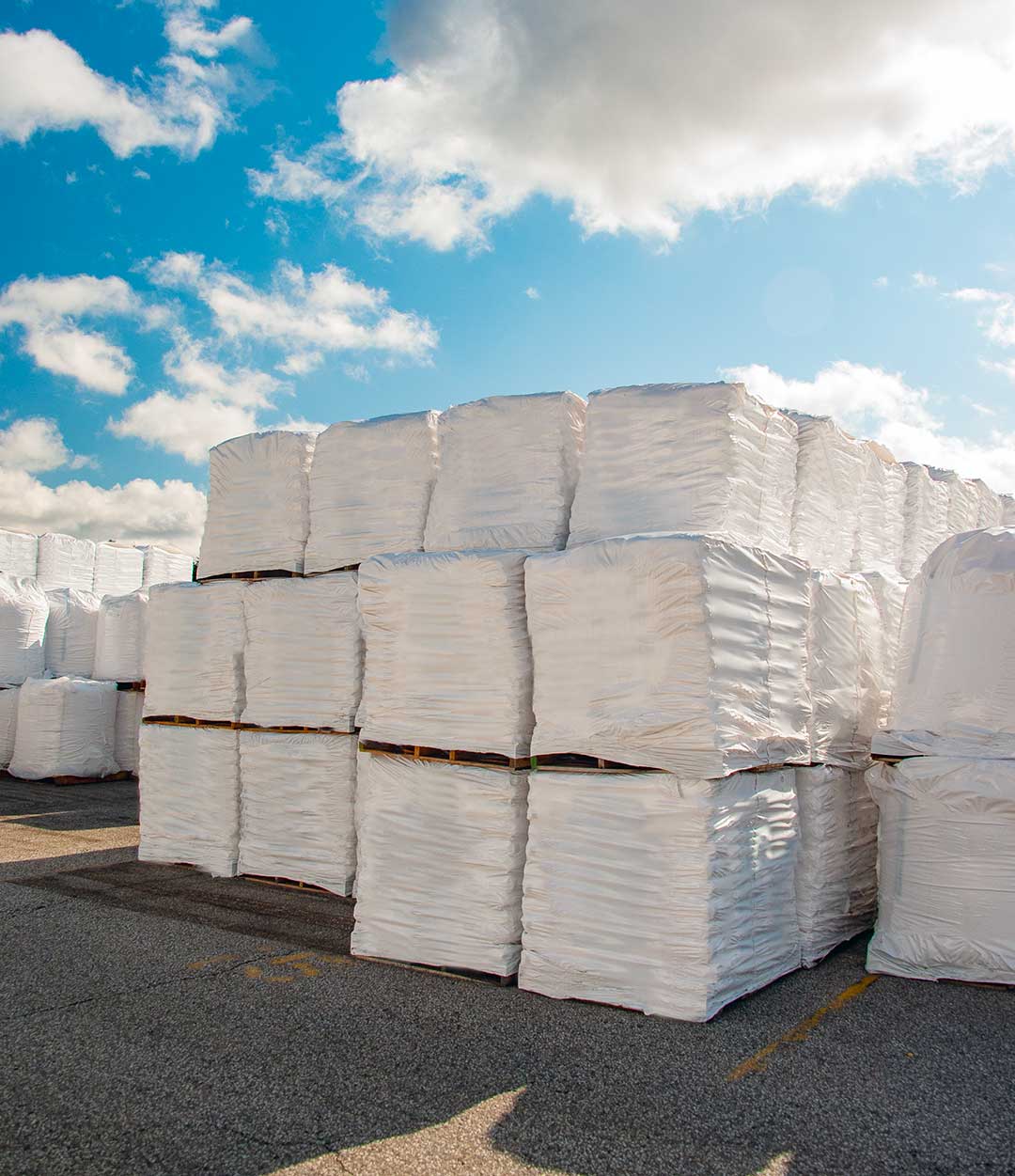
Store in a dry area, and tightly reseal after each use. To maintain product quality while in storage, solid calcium chloride must be protected from moisture. If the product is on a pallet covered by an intact plastic shroud, it can be stored outdoors on a well-drained surface. If the shroud is torn, pierced, or removed, then the palletized product should be stored indoors or under a waterproof covering.
When properly stored to protect from moisture contact, the expected shelf life for all calcium chloride packaged products is 36 months from the date of manufacture. Calcium chloride does not degrade or deteriorate; however, the shelf life is limited based on the potential for moisture intrusion into the product. Moisture will cause a decrease in overall calcium chloride assay and may cause product clumping. Solid calcium chloride absorbs moisture from the air (i.e., is hygroscopic), even to the point of converting to liquid brine (i.e., is deliquescent).
For more detailed information see our Calcium Chloride Handbook.
PELADOW® Premier FAQs
First, determine the amount of dry calcium chloride to mix with water using our helpful Making Solutions Calculator tool.
Always start with cool water and add the solid calcium chloride slowly to the water while continuously mixing. Significant heat is released when dissolving solid calcium chloride, and a temperature increase will occur. For example, when dissolving DOWFLAKE® Xtra 83-87% Calcium Chloride Flakes while making up a 30% solution, the temperature can be expected to increase almost 84°F.
If solids are allowed to sit motionless while in contact with water, a hard cake will form that will be slow to dissolve.
If lightly caked, the product may be broken up by knocking the closed package against a hard surface, like breaking up a bag of ice. If the caked product is too hard to break apart, the product is, unfortunately, unusable and should be disposed of according to guidance on the product label. DO NOT TRY FORCEFUL HAMMERING TO BREAK THE PRODUCT APART. FLYING PRODUCT PIECES MAY BE AN EYE HAZARD.
Store product in a dry area, and tightly reseal after each use. To maintain product quality while in storage, solid calcium chloride must be protected from moisture. If the product is on a pallet covered by an intact plastic shroud, it can be stored outdoors on a well-drained surface. If the shroud is torn, pierced, or removed, the palletized product should be stored indoors or under a waterproof covering.
For additional information, see our Calcium Chloride Handbook.
When properly stored to protect from moisture contact, the expected shelf life for solid calcium chloride products is 36 months from the date of manufacture. Calcium chloride does not degrade or deteriorate; however, the shelf life is limited based on the potential for moisture intrusion into the product, which may cause product clumping. Solid calcium chloride absorbs moisture from the air (i.e., is hygroscopic), even to the point of converting to liquid brine (i.e., is deliquescent).
To determine how much ice melter to use, refer to our Deicing Application Rate Guidance Calculator.
Melt Responsibly® - For the best results, follow these steps:
- Clear the snow.
- Set your spreading equipment to spread the calcium chloride at our recommended application rate of 28 pounds per 1,000 square feet, or 4 ounces per square yard. Refer to our Spreader Calibration Guide for setting instructions on some common spreaders.
- Spread calcium chloride.
- After giving the calcium chloride time to work, clear off any remaining slush.
- Recycle the empty packaging in accordance with your local recycling guidelines.
Refer to Earth911 to find out where you can recycle.
Please note our recommended application rate is a starting point. Adjust application rate based on ice thickness and outdoor temperature. Removal of thick ice may require higher application rates to penetrate and undercut the ice layer.
If ice dams are forming on your roof, OxyChem recommends that you hire a trained professional to treat ice dam-related problems as well as investigate insulation and attic ventilation best practices that may prevent ice dams.
There are ice melt products designed to be thrown onto the roof where ice dams have built-up. Most common ice melt products contain chlorides, including products like calcium chloride and magnesium chloride. While these products are effective in melting ice, water evaporates at a slower rate and remains damp longer than naturally melting water.
If you use ice melt products on your roof, water from melting ice can corrode roofing nails and steel gutters, and could get under shingles, potentially damaging wood products. Therefore, you must take precautions to maintain proper drainage. You should prevent the water from draining directly onto vegetation, including shrubs, bushes and evergreens.
OxyChem does not recommend using deicing products on wood surfaces. Deicers could potentially soak into untreated and some treated wood surfaces, resulting in damp spots that may be difficult to remove. The variety of wood treatments used on exterior wood surfaces makes it difficult to predict the effect of deicers on those surfaces.
OxyChem calcium chloride products deliver reliable, effective deicing performance on concrete surfaces that are at least one year old and properly designed, constructed, and cured for winter conditions. When concrete meets these standards, it is better equipped to handle deicing applications. Surfaces that are more porous or not fully cured may be more vulnerable to natural freeze–thaw cycles, where absorbed moisture can refreeze and potentially lead to spalling or scaling.
For expert guidance, we recommend consulting the American Concrete Institute Committee 201.
OxyChem calcium chloride deicers are not recommended for application on masonry (stone, brick, and mortar joints).
Melt water from deicing may soak into pores and cracks. The absorbed melt water may re-freeze, creating a large amount of pressure beneath the surface of the stone. If the structure of the stone is not strong enough to withstand this pressure, the stone could flake or powder. This type of damage depends on the porosity and strength of the stone, not on the type of deicer used to melt snow and ice. Because there are many different kinds and grades of stone, OxyChem cannot predict where damage may or may not occur.
When using chloride-based deicers, chloride ions can permeate porous concrete. When chloride, oxygen and moisture come together on the surface of unprotected steel reinforcement (rebar) embedded in concrete, corrosion can result. This corrosion can cause a loss of the bond between the concrete and the rebar and reduce the rebar cross-sectional area. Both have the potential to result in serious structural problems. Additionally, rust formation on rebar places pressure on the concrete that can result in cracking, spalling and delamination.
However, options are available to protect rebar against corrosion. Companies and trade organizations with expertise in concrete construction technology are familiar with options available for new or rehabilitated structures. With support from these experts, each user should determine if application of chloride-based deicers is appropriate for their given situation.
No chloride-based deicer is completely pet-safe, but there are a few tips you can follow to help keep your furry friends healthy around deicers.
DO:
- Apply deicing products properly. Follow directions for application and only apply as much as needed.
- Wipe your pet’s paws after coming inside.
- Consider the use of paw wax or dog booties, particularly for those pets with sensitive paws.
- Store deicing products out of the reach of pets.
DON'T:
- Let your pet eat deicer on the ground.
- Let your pet eat snow that may have been treated with a deicer.
For further information, please see the OxyChem document, Use of Chloride Deicers Around Pets.
When following application recommendations, calcium chloride will not damage grass or vegetation adjacent to a surface being deiced. If deicers are overapplied or applied directly to grass or vegetation, damage can occur regardless of deicer type used.
For additional information, see Deicers Environmental Impact.
Always follow the directions for proper deicer use. Do not over-apply deicer, especially near entryways. Foot traffic through slush, melt water, and residual deicer can track the material indoors.
Use effective entrance mats that absorb and trap snowmelt, slush, or residual deicer. If residual deicer is tracked onto hard floors, it should be cleaned up with warm, fresh water as soon as possible. For example, soak a mop or towel in fresh water, wipe the surface and dry thoroughly. If a bucket is used for rinsing the mop or towel, the water in the bucket should be changed out frequently for best results.
For additional information, see Deicer Tracking and Indoor Care.
If deicers are tracked onto your carpet, quickly clean it. Most deicers are completely water soluble and are easily removed with a carpet cleaning machine using only hot water. After cleaning, it is important to remove as much of the water as possible, and the carpet must be allowed to dry.
Use of detergent is generally not recommended unless the detergent is pH neutral or citric-based (slightly acidic) and the carpet is thoroughly rinsed after washing.
For additional information, see Deicer Tracking and Indoor Care.
Yes. According the websites of three common brands (Trex®, TimberTech®, and DuraLife®), calcium chloride can be used as an ice melter on this type of decking material.
For additional information on responsible use, see managing impact.