
LIQUIDOW® Technical Grade Calcium Chloride Solution

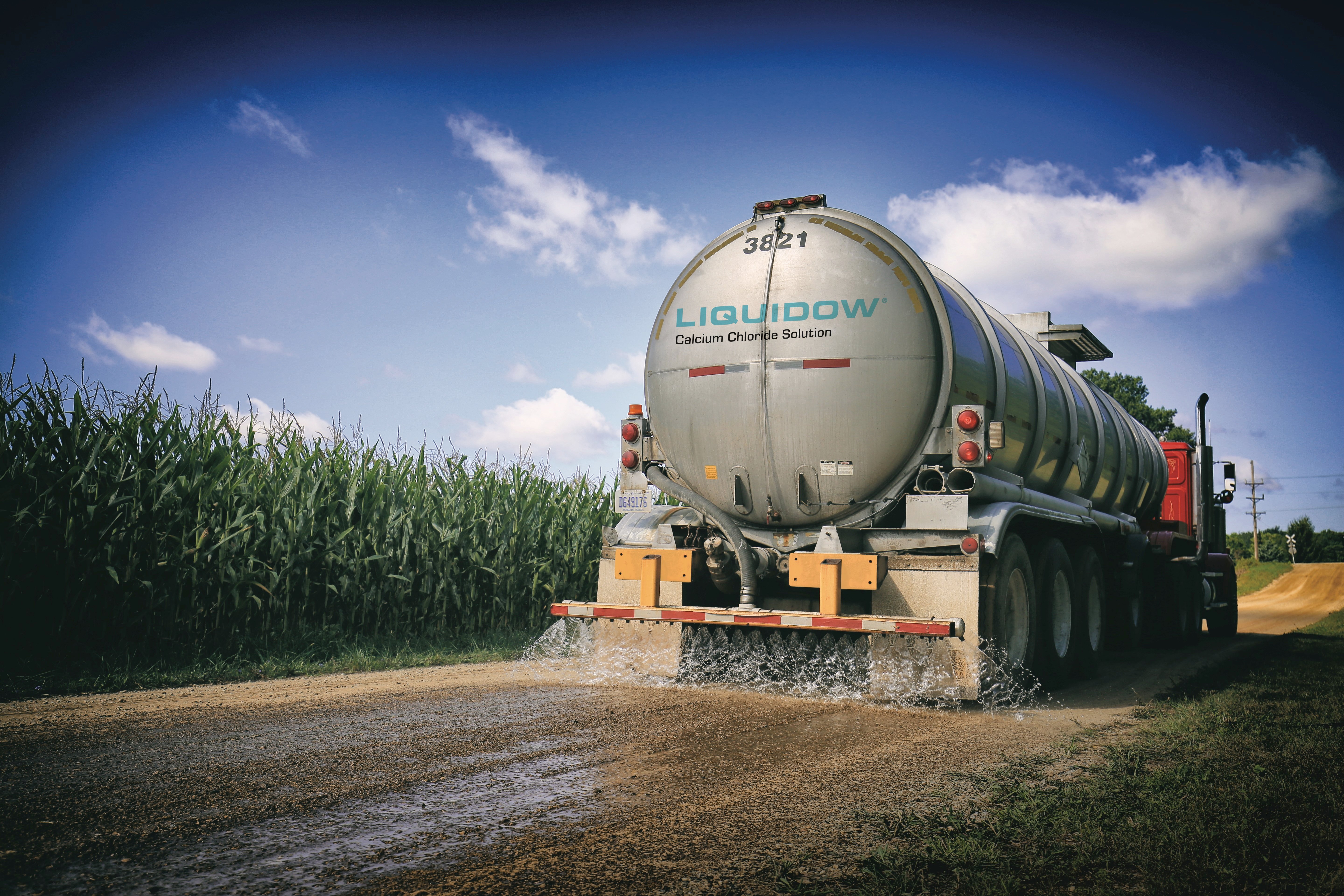
Product Description
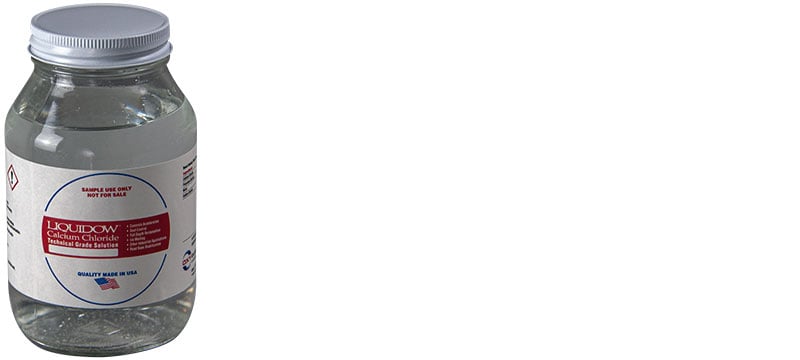
LIQUIDOW Technical Grade Calcium Chloride Solution is a highly versatile liquid product that meets or exceeds ASTM D98 and AASHTO M144 purity requirements for Type L calcium chloride. This product is available in a range of concentrations (28% - 42%) to effectively meet specific application requirements.
To convert units of LIQUIDOW (i.e. solution pounds to gallons, gallons to dry tons, etc.), refer to our Converting Units Calculator.
To dilute a solution by mixing this product with water, another percentage LIQUIDOW or both, refer to our Diluting Solutions Calculator.
Where To Use
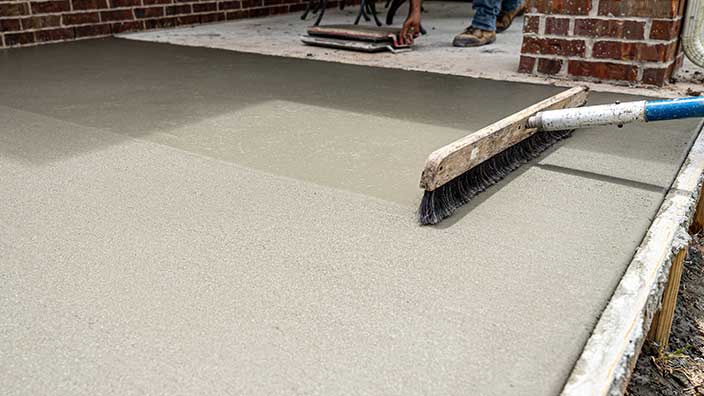
Concrete Acceleration
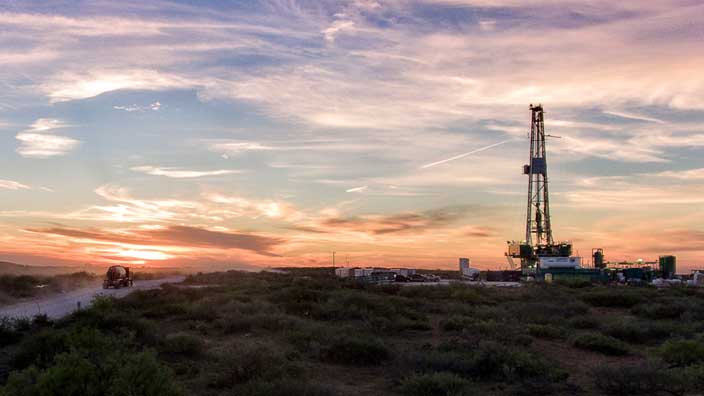
Drilling Fluid Additive
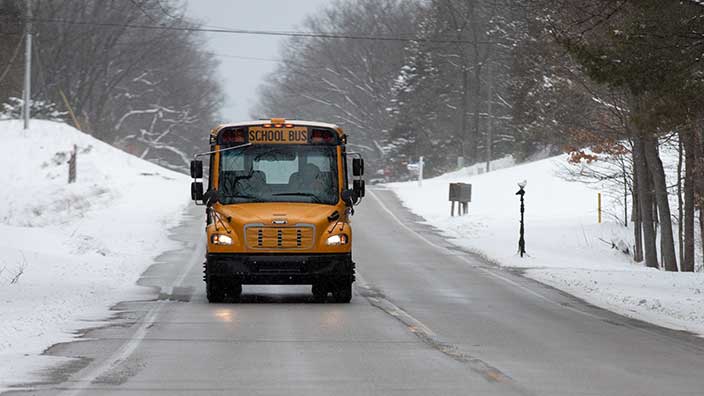
Ice Melting: Road & Highway

Industrial

Refrigeration
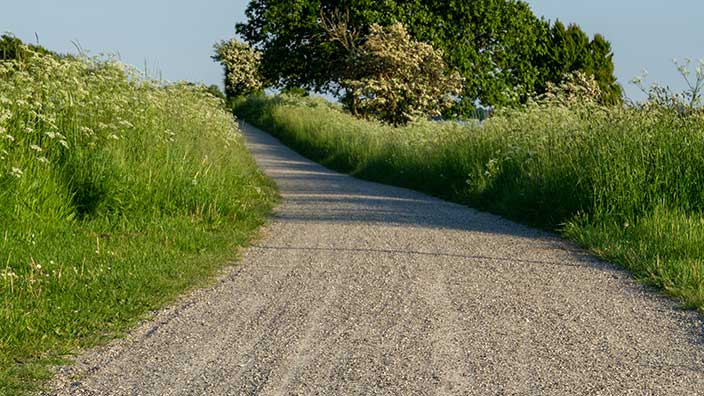
Roads: Base Stabilization
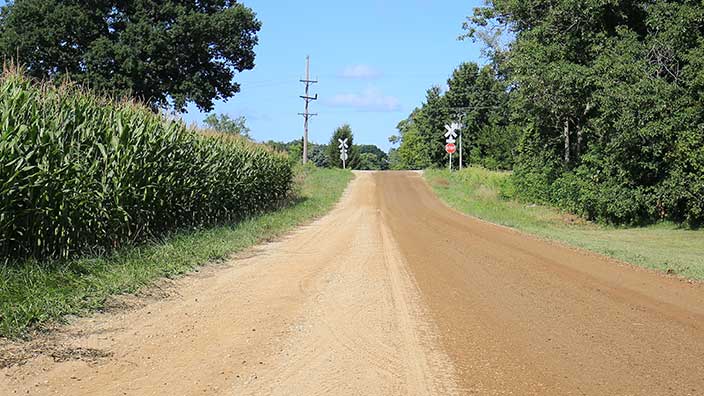
Roads: Dust Control

Roads: Full-Depth Reclamation

Tire Weighting
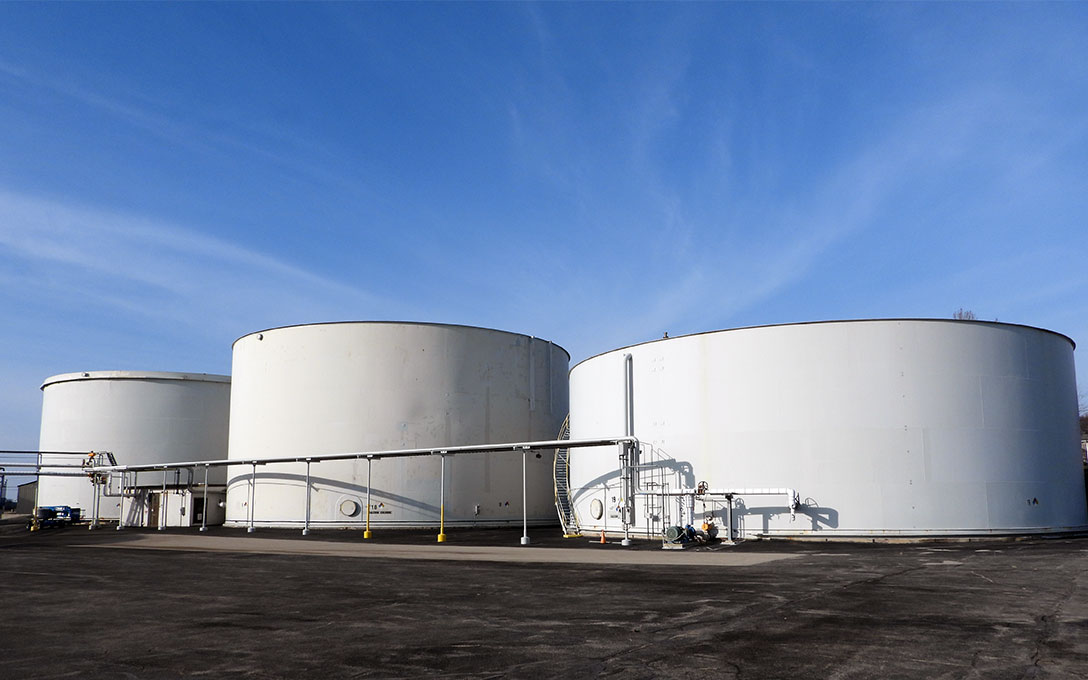
Storage & Shelf Life
Store in carbon steel tanks with an epoxy-based interior lining and epoxy-based exterior paint. Common stainless steels should not be used for the storage of liquid calcium chloride because they are subject to chloride stress cracking, even at temperatures as low as 100°F (38°C). Nonmetallic materials, such as fiberglass or plastic, may work well for smaller tanks at near ambient temperature. The puncture resistance and structural strength of these materials, relative to carbon steel, should be evaluated.
When properly stored to protect from moisture contact and maintained above crystallization temperature, the expected shelf life for all calcium chloride liquid products is 36 months from the date of manufacture. Calcium chloride does not degrade or deteriorate; however, the shelf life is limited based on the potential for moisture intrusion into the product. Moisture will cause a decrease in overall calcium chloride concentration.
For more detailed information see our Calcium Chloride Handbook.
LIQUIDOW® Technical Grade FAQs
Please consult our Diluting Solutions Calculator, which covers three different options:
- Diluting with water
- Diluting with a lower concentration calcium chloride solution
- Diluting with both water and a lower concentration calcium chloride solution
The preferred material of construction for large liquid storage tanks is carbon steel with an epoxy-based interior coating and a durable, high-quality coating on the exterior. Non-metallic materials, such as fiberglass or plastic, work well for smaller tanks storing product at ambient temperature; however, these materials are not as durable as carbon steel, and they lose strength at high temperature.
Common stainless steels are not recommended for liquid calcium chloride storage as they are subject to chloride stress corrosion cracking, even at temperatures as low as 100°F (38°C).
For additional information, see our Calcium Chloride Handbook.
Yes. However, a liquid deicer has significantly less melt capacity than a solid deicer because a liquid is already diluted with water. This makes a liquid best suited for use in anti-icing or pre-wetting applications, but it can be used for deicing thin layers of snow or ice as well.
The most common liquid calcium chloride concentration used in winter applications is 32%. Solutions of this strength can be purchased directly from a LIQUIDOW® distributor or by dissolving solid calcium chloride products in water. See: “How do I make solutions by mixing solid calcium chloride products with water?”
The most appropriate liquid application rate depends on a variety of factors, including weather conditions, surface type, amount of snow/ice present, etc. Because conditions can vary significantly, each user must determine the application rate best suited for the situation.
For additional information, see Typical Chemical Application Rates for Anti-icing Activities.
PLEASE NOTE THAT LIQUID DEICERS SHOULD NOT BE USED IN CERTAIN CIRCUMSTANCES. For example, if a liquid deicer is applied to a surface under humid conditions prior to a winter storm event, it may absorb enough moisture from the air to dilute to a concentration that will freeze as the temperature drops, possibly resulting in slickness. Further, over-application may result in slickness.
OxyChem does not recommend using deicing products on wood surfaces. Deicers could potentially soak into untreated and some treated wood surfaces, resulting in damp spots that may be difficult to remove. The variety of wood treatments used on exterior wood surfaces makes it difficult to predict the effect of deicers on those surfaces.
OxyChem calcium chloride products deliver reliable, effective deicing performance on concrete surfaces that are at least one year old and properly designed, constructed, and cured for winter conditions. When concrete meets these standards, it is better equipped to handle deicing applications. Surfaces that are more porous or not fully cured may be more vulnerable to natural freeze–thaw cycles, where absorbed moisture can refreeze and potentially lead to spalling or scaling.
For expert guidance, we recommend consulting the American Concrete Institute Committee 201.
OxyChem calcium chloride deicers are not recommended for application on masonry (stone, brick, and mortar joints).
Melt water from deicing may soak into pores and cracks. The absorbed melt water may re-freeze, creating a large amount of pressure beneath the surface of the stone. If the structure of the stone is not strong enough to withstand this pressure, the stone could flake or powder. This type of damage depends on the porosity and strength of the stone, not on the type of deicer used to melt snow and ice. Because there are many different kinds and grades of stone, OxyChem cannot predict where damage may or may not occur.
No chloride-based deicer is completely pet-safe, but there are a few tips you can follow to help keep your furry friends healthy around deicers.
DO:
- Apply deicing products properly. Follow directions for application and only apply as much as needed.
- Wipe your pet’s paws after coming inside.
- Consider the use of paw wax or dog booties, particularly for those pets with sensitive paws.
- Store deicing products out of the reach of pets.
DON'T:
- Let your pet eat deicer on the ground.
- Let your pet eat snow that may have been treated with a deicer.
For further information, please see the OxyChem document, Use of Chloride Deicers Around Pets.
When following application recommendations, calcium chloride will not damage grass or vegetation adjacent to a surface being deiced. If deicers are overapplied or applied directly to grass or vegetation, damage can occur regardless of deicer type used.
For additional information, see Deicers Environmental Impact.
The amount of calcium chloride used should not exceed 2% and application rates should vary with temperature.
Preferably, add calcium chloride solution to aggregates in the mixer drum or as a portion of the mixing water. Add calcium chloride at the ready-mix plant if the concrete will be discharged within one hour of the start of mixing. Otherwise, add it at the job site, mixing for at least three minutes or 30 revolutions of the mixer, whichever is longer.
If dry calcium chloride is used, it should be free of lumps and added to aggregates in the mixer drum before mixing, or to the mixed concrete just before discharge.
Please refer to the publication Calcium Chloride in Portland Cement Concrete for more complete information about the use of calcium chloride as an accelerating admixture.
Consult the most recent reports from the following American Concrete Institute (ACI) committees for information about the amounts of calcium chloride that are allowed in concrete under various exposure conditions, and conditions in which calcium chloride should not be used. Relevant reports include:
ACI 201 Durability of Concrete
ACI 212 Admixtures for Concrete
ACI 222 Corrosion of Metals in Concrete
ACI 306 Cold Weather Concreting
ACI 318 Standard Building Code for Reinforced Concrete
Technical grades of solid and liquid calcium chloride may be used to freeze-proof water-filled containers, such as traffic barriers. The target concentration depends primarily on the level of freeze protection desired. See below for the freeze points of typical concentrations. Use our helpful Making Solutions Calculator tool to determine the amount of dry calcium chloride to mix with water to achieve solutions of various concentrations.
Freeze Points of Typical Calcium Chloride Concentrations |
|||
|
Percentage by Weight |
Specific Gravity |
lbs/gal |
Freeze Point |
| 16 wt% |
1.149 |
9.55 |
+8°F |
| 20 wt% |
1.189 |
9.88 |
-4°F |
| 24 wt% |
1.228 |
10.20 |
-20°F |
| 28 wt% |
1.275 |
10.60 |
-46°F |
| 32 wt% |
1.322 |
10.99 |
17°F |
Specific Gravity
1.149
lbs/gal
9.55
Freeze Point
+8°F
Specific Gravity
1.189
lbs/gal
9.88
Freeze Point
-4°F
Specific Gravity
1.228
lbs/gal
10.20
Freeze Point
-20°F
Specific Gravity
1.275
lbs/gal
10.60
Freeze Point
-46°F
Specific Gravity
1.322
lbs/gal
10.99
Freeze Point
17°F
Effective dust control is built first on a foundation of quality gravel and proper road maintenance. Road construction experts can help you determine the proper foundation for your needs.
Recommended calcium chloride application rates to control dust on gravel surfaces are included below. NOTE: When applying solid products, it is usually preferable to water the surface prior to spreading the product.
Recommended Application Rates (US Units) |
|||
|
Product |
Unpaved Roads |
Truck Terminals & Parking Lots |
Mine Haul & Logging Roads |
| LIQUIDOW® 35% |
0.30 gal/yd2 |
0.33 gal/yd2 |
0.39 gal/yd2 |
|
2117 gal/lane-mi* |
2532 gal/lane-mi |
2744 gal/lane-mi |
|
| LIQUIDOW® 38% |
0.27 gal/yd2 |
0.30 gal/yd2 |
0.35 gal/yd2 |
|
1901 gal/lane-mi |
2112 gal/lane-mi |
2464 gal/lane-mi |
|
| LIQUIDOW® 42% |
0.24 gal/yd2 |
0.26 gal/yd2 |
0.31 gal/yd2 |
|
1664 gal/lane-mi |
1849 gal/lane-mi |
2157 gal/lane-mi |
|
| DOWFLAKE® Xtra 83-87% |
1.38 lb/yd2 |
1.56 lb/yd2 |
1.83 lb/yd2 |
|
4.84 ton/lane-mi |
5.49 ton/lane-mi |
6.45 ton/lane-mi |
|
| Anhydrous 94-97% |
1.23 lb/yd2 |
1.39 lb/yd2 |
1.64 lb/yd2 |
|
4.33 ton/lane-mi |
4.90 ton/lane-mi |
5.77 ton/lane-mi |
|
Unpaved Roads
0.30 gal/yd2
2117 gal/lane-mi*
Truck Terminals & Parking Lots
0.33 gal/yd2
2532 gal/lane-mi
Mine Haul & Logging Roads
0.39 gal/yd2
2744 gal/lane-mi
Unpaved Roads
0.27 gal/yd2
1901 gal/lane-mi
Truck Terminals & Parking Lots
0.30 gal/yd2
2112 gal/lane-mi
Mine Haul & Logging Roads
0.35 gal/yd2
2464 gal/lane-mi
Unpaved Roads
0.24 gal/yd2
1664 gal/lane-mi
Truck Terminals & Parking Lots
0.26 gal/yd2
1849 gal/lane-mi
Mine Haul & Logging Roads
0.31 gal/yd2
2157 gal/lane-mi
Unpaved Roads
1.38 lb/yd2
4.84 ton/lane-mi
Truck Terminals & Parking Lots
1.56 lb/yd2
5.49 ton/lane-mi
Mine Haul & Logging Roads
1.83 lb/yd2
6.45 ton/lane-mi
Unpaved Roads
1.23 lb/yd2
4.33 ton/lane-mi
Truck Terminals & Parking Lots
1.39 lb/yd2
4.90 ton/lane-mi
Mine Haul & Logging Roads
1.64 lb/yd2
5.77 ton/lane-mi
Recommended Application Rates (Metric Units) |
|||
|
Product |
Unpaved Roads |
Truck Terminals & Parking Lots |
Mine Haul & Logging Roads |
| LIQUIDOW® 35% |
1.36 liter/m2 |
1.51 liter/m2 |
1.76 liter/m2 |
|
5027 liter/lane-km* |
5604 liter/lane-km |
6511 liter/lane-km |
|
| LIQUIDOW® 38% |
1.22 liter/m2 |
1.36 liter/m2 |
1.58 liter/m2 |
|
4514 liter/lane-km |
5032 liter/lane-km |
5846 liter/lane-km |
|
| LIQUIDOW® 42% |
1.07 liter/m2 |
1.19 liter/m2 |
1.38 liter/m2 |
|
3951 liter/lane-km |
4404 liter/lane-km |
5116 liter/lane-km |
|
| DOWFLAKE® Xtra 83-87% |
0.75 kg/m2 |
0.85 kg/m2 |
0.99 kg/m2 |
|
2.76 tonne/lane-km |
3.13 tonne/lane-km |
3.68 tonne/lane-km |
|
| Anhydrous 94-97% |
0.67 kg/m2 |
0.76 kg/m2 |
0.89 kg/m2 |
|
2.47 tonne/lane-km |
2.80 tonne/lane-km |
3.29 tonne/lane-km |
|
Unpaved Roads
1.36 liter/m2
5027 liter/lane-km*
Truck Terminals & Parking Lots
1.51 liter/m2
5604 liter/lane-km
Mine Haul & Logging Roads
1.76 liter/m2
6511 liter/lane-km
Unpaved Roads
1.22 liter/m2
4514 liter/lane-km
Truck Terminals & Parking Lots
1.36 liter/m2
5032 liter/lane-km
Mine Haul & Logging Roads
1.58 liter/m2
5846 liter/lane-km
Unpaved Roads
1.07 liter/m2
3951 liter/lane-km
Truck Terminals & Parking Lots
1.19 liter/m2
4404 liter/lane-km
Mine Haul & Logging Roads
1.38 liter/m2
5116 liter/lane-km
Unpaved Roads
0.75 kg/m2
2.76 tonne/lane-km
Truck Terminals & Parking Lots
0.85 kg/m2
3.13 tonne/lane-km
Mine Haul & Logging Roads
0.99 kg/m2
3.68 tonne/lane-km
Unpaved Roads
0.67 kg/m2
2.47 tonne/lane-km
Truck Terminals & Parking Lots
0.76 kg/m2
2.80 tonne/lane-km
Mine Haul & Logging Roads
0.89 kg/m2
3.29 tonne/lane-km
The most desirable calcium chloride product for any given situation is a matter of personal choice. Solid calcium chloride products may be spread directly or dissolved in water and spread as a liquid. In the U.S., the most common liquid concentration used for dust control is 38%. In Canada, the most common concentration is 35%. Liquid concentrations higher than 38% may be used; however, higher concentrations are more likely to crystallize as the solution cools.
To maintain optimum dust control during unusually long periods of hot, dry weather, water the road surface during early morning hours as needed to reconstitute the initial treatment. Re-apply calcium chloride in the late summer or early fall as needed to prolong dust control.
For additional information, see Use Responsibly - Controlling Dust.
Noticeable corrosion is unlikely to occur on vehicles driven on unpaved surfaces treated with calcium chloride. However, calcium chloride for dust suppression is present in small amounts and can stay bound in the soil in the road. Therefore, it is recommended to wash vehicles and equipment if you suspect the vehicle has encountered calcium chloride.
When following application recommendations, calcium chloride will not damage grass or vegetation adjacent to a surface being deiced. If deicers are overapplied or applied directly to grass or vegetation, damage can occur regardless of deicer type used.
For additional information, see Deicers Environmental Impact.
A 2008 study by researchers at Colorado State University1 and a report by the U.S. Department of Agriculture Forest Service2 concluded that the impact of magnesium chloride is no less than other chlorides.
The chloride content of liquid material is determined by the concentration of the solution, and the molecular weight of the salt. For example, a 30% solution of magnesium chloride has about the same chloride content as a 35% calcium chloride solution.
Equally important in determining environmental impact is the application rate of the product. A more concentrated product can achieve the same results at lower application rates. While magnesium chloride is commercially available in 30% solutions, LIQUIDOW® is typically applied at concentrations of 35% or 38% for dust control and road base stabilization applications, which means less calcium chloride may be required to achieve the same result.
For additional information, see calcium chloride vs. magnesium chloride.